

Wired vs Wireless Security Cameras: Which Is Better for Your Gosford Home?
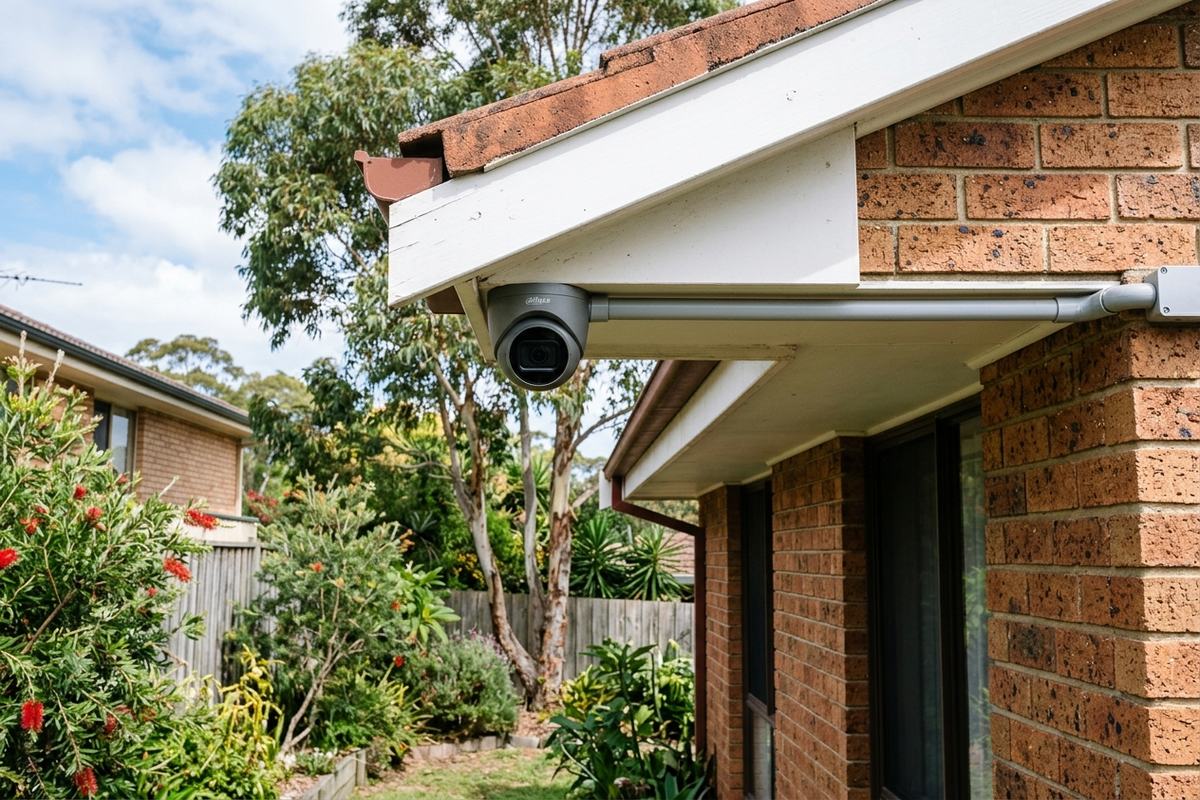
If you're looking at security cameras for your Gosford home, one of the first decisions is whether to go with a wired system or a wireless one. Both have their place, and the right choice depends on your priorities. Here's an honest comparison of both approaches.
How Wired Systems Work
A wired CCTV system has cameras connected via cable to a central network video recorder (NVR) inside your home. The cables are run through the roof space and wall cavities during installation, so the end result is neat and completely concealed. The NVR records continuously to a built-in hard drive and connects to your home network for remote viewing via a phone app.
The cameras are powered through the same cable that carries the video signal (Power over Ethernet), so there's no separate power cable required at each camera. A qualified installer runs all the cabling from your chosen camera locations back to the NVR in one installation.
How Wireless Systems Work
Wireless cameras connect to your home WiFi network to transmit video. Some models are battery-powered and need periodic charging, while others are mains-powered and need a power outlet nearby. Recording is typically done either to a local base station or to the cloud, meaning you pay a monthly subscription to store your footage off-site.
Installation is usually simpler than a wired system, you mount the camera, connect it to WiFi, and it works. However, this ease of setup is where a lot of the trade-offs come from.
Reliability and Performance
Wired systems deliver more reliable performance than wireless for several reasons. The video feed travels over a dedicated cable rather than competing with your WiFi signal, so you get consistent quality without buffering, dropouts, or lag. Wireless cameras depend entirely on your WiFi signal strength at the camera location, if signal is weak, performance suffers.
Wireless cameras are also affected by WiFi congestion. If you have multiple devices streaming, gaming, or working from home on your network, wireless cameras have to compete for bandwidth. A wired system has its own dedicated path.
Security Considerations
Perhaps the most important factor is how hard each system is to defeat. Wired cameras are essentially tamper-proof, an intruder can't jam them, disable them wirelessly, or block their signal from outside the property. The cables are hidden inside the walls and roof space, so even cutting them requires physical access to the home.
Wireless cameras can be jammed by cheap radio frequency blockers, their WiFi signal can be disrupted, and battery-powered models can simply run out of power at the worst possible time. For a system you're relying on for actual security rather than convenience, wired is the stronger option.
Installation and Appearance
Wired systems require professional installation, running cables through a roof space and wall cavities isn't a DIY job for most homeowners. The trade-off is a clean, permanent installation where no cables are visible and cameras are mounted in the optimal positions for coverage.
Wireless systems can be DIY, but the cameras often look like the consumer products they are, with visible power cords or battery housings, and positioning is limited to spots with good WiFi signal.
Ongoing Costs
Wired systems have a higher upfront cost due to the professional installation, but ongoing costs are minimal, your footage is stored locally on the NVR, so there's no subscription fee. Wireless systems often have lower upfront costs but can have ongoing subscription fees for cloud storage, and batteries in battery-powered cameras need periodic replacement.
Over a few years of use, the total cost of ownership often ends up similar, but the user experience and reliability differ significantly.
Which Is Right for Your Home?
Wireless cameras make sense for renters who can't modify the property, for people who want basic monitoring of a specific area like a porch or front door, or for temporary setups. They're convenient and easy to install.
Wired cameras make sense for homeowners who want genuine, reliable security coverage across their property, who plan to stay in the home long-term, and who want a permanent solution that doesn't require ongoing attention. For most Gosford homeowners looking at a proper security system, wired is the better investment.
Frequently Asked Questions
Can I combine wired and wireless cameras?
Some systems allow this through a hybrid NVR, but it adds complexity. Most homes are better off choosing one approach and sticking with it.
Do wired cameras work during a power outage?
Not unless connected to a UPS (uninterruptible power supply). Your installer can connect the NVR and cameras to battery backup if continuous operation through outages is important to you.
Can I view wired camera footage from my phone?
Yes. Modern NVRs include apps that let you view live feeds and recorded footage remotely via your phone. This has become standard on all quality wired systems.
Do wireless cameras have night vision?
Most do, using infrared LEDs. The quality and range vary by model. Wired cameras typically have more consistent night vision performance because they're not limited by battery power.
Talk to a Local Central Coast Electrician
Get a free, no-obligation quote from a licensed electrician serving gosford and the Central Coast.