

Winter Electrical Safety Tips for Central Coast Homes
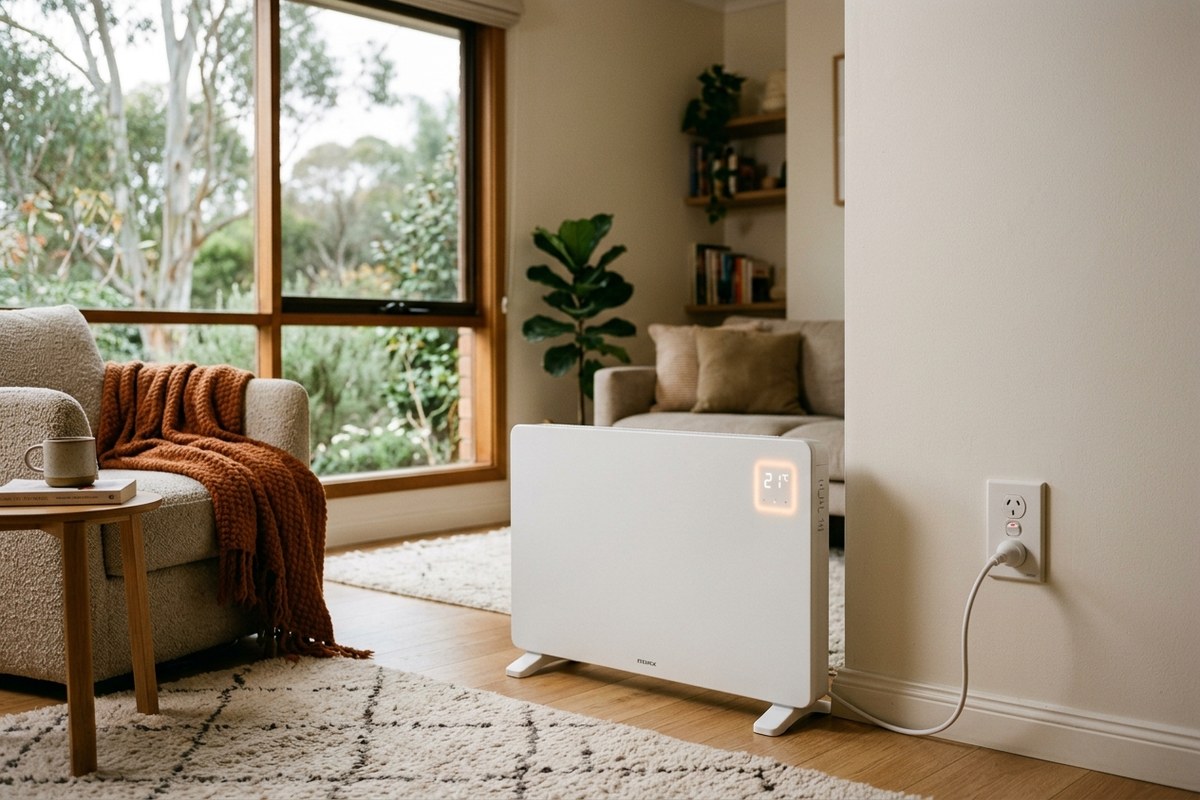
Winter on the Central Coast isn't as severe as other parts of Australia, but cooler weather still brings specific electrical risks to the home. Heaters, electric blankets, clothes dryers, and increased indoor lighting all push your electrical system harder. Here's a practical safety checklist to work through before and during winter.
Electric Heater Safety
Portable electric heaters are one of the biggest causes of winter electrical incidents. The main issues come down to overloading power points, using damaged cords, placing heaters too close to furniture or curtains, and leaving them running unattended.
Always plug heaters directly into a wall power point, never into a power board or extension lead. The sustained high current draw of a heater can overload the wiring in power boards and lead to overheating. Keep at least a metre of clearance around the heater on all sides, and never use a heater to dry clothing, this is one of the most common causes of heater-related fires.
Inspect your heater's cord before each season. If you see any fraying, melting, or damage, take the heater out of service and either have it repaired or replace it. A damaged cord is a serious shock and fire risk.
Electric Blanket Checks
Electric blankets have a limited safe lifespan and should be checked annually before you put them on the bed. Look for damaged wiring, scorch marks, hot spots that don't heat evenly, or any signs of the internal elements poking through the fabric. If you spot any of these issues, throw the blanket out, don't attempt to repair it.
Never use an electric blanket while it's folded, creased, or tucked tightly. Folding concentrates heat and can cause hot spots that lead to fires. Always turn the blanket off before getting into bed (unless it's specifically rated for overnight use) and never pile heavy bedding on top while it's operating.
Clothes Dryer Lint Management
With less outdoor drying weather in winter, clothes dryers get used more frequently. Lint buildup in the filter and the exhaust duct is a leading cause of dryer fires. Clean the lint filter before every single load, not just when you remember. For vented dryers, periodically check the exhaust duct for lint buildup, especially where it connects to the dryer and where it exits the home.
If your dryer is running longer than usual to dry a load, or if clothes feel hotter than normal when the cycle ends, lint buildup is the likely cause. Deep-clean the lint filter, check the exhaust path, and have the dryer serviced if problems persist.
Smoke Alarm Checks
Winter is when most house fires happen in Australia, and working smoke alarms save lives. Test every smoke alarm in your home by pressing the test button, it should emit a loud beep. Replace the batteries in any battery-powered alarms. If any alarm is more than 10 years old, replace the unit entirely, as the sensors degrade over time even if the alarm still responds to the test button.
Current NSW regulations require interconnected smoke alarms in most new builds and significant renovations. If your home doesn't have interconnected alarms, consider upgrading, when one goes off, they all go off, giving every occupant maximum warning time regardless of where the fire starts.
Outdoor Lighting and Cords
Winter evenings mean more outdoor lighting use. Inspect outdoor fittings, sensor lights, and any extension leads you're using outside. Damaged seals, cracked fittings, or exposed wiring are all serious risks, especially when combined with rain. All outdoor electrical fittings should be weatherproof rated and in good condition.
Never run extension leads under rugs or carpet, out through windows with the window closed on the cord, or in any way that could damage the cord or hide overheating. Extension leads are a temporary solution, not a permanent one.
Frequently Asked Questions
Is it safe to use a power board for heaters?
No. Heaters should always be plugged directly into a wall power point. Power boards aren't rated for the sustained high current draw of a heater and can overheat.
How often should I replace my electric blanket?
Most electric blanket manufacturers recommend replacement every 5 to 10 years depending on use. If yours is older or showing any signs of damage, replace it.
What should I do if I smell burning near a power point?
Stop using anything plugged into that power point, switch off the circuit at the switchboard if you can identify it safely, and call a licensed electrician immediately. A burning smell is a serious warning sign of an electrical fault.
Are smoke alarms required by law in NSW?
Yes. All residential dwellings in NSW are required to have working smoke alarms. Rental properties have specific compliance requirements that landlords must meet.
Talk to a Local Central Coast Electrician
Get a free, no-obligation quote from a licensed electrician serving gosford and the Central Coast.