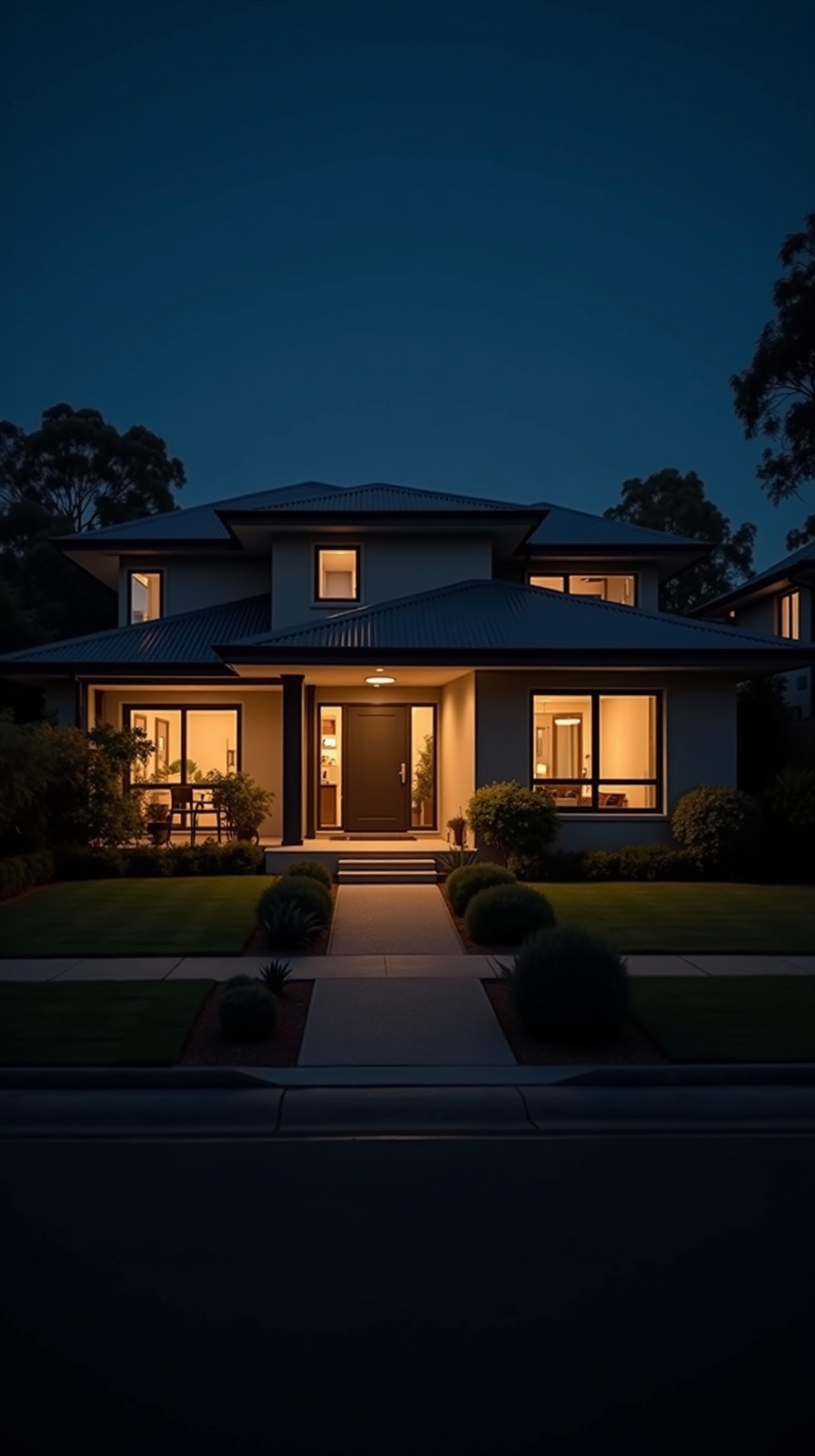

New Home Electrical Wiring in Gosford, What Builders and Owners Need to Know
If you're building a new home on the Central Coast, the electrical fit-out is one of the most important stages of the entire build. It affects the safety, functionality, and liveability of your home for decades to come. Whether you're working with a builder or managing the project as an owner-builder, understanding what's involved in the electrical scope helps you make better decisions and avoid costly mistakes.
The Two Stages of a New Home Electrical Fit-Out
A new home electrical installation is completed in two distinct stages that align with the broader construction timeline.
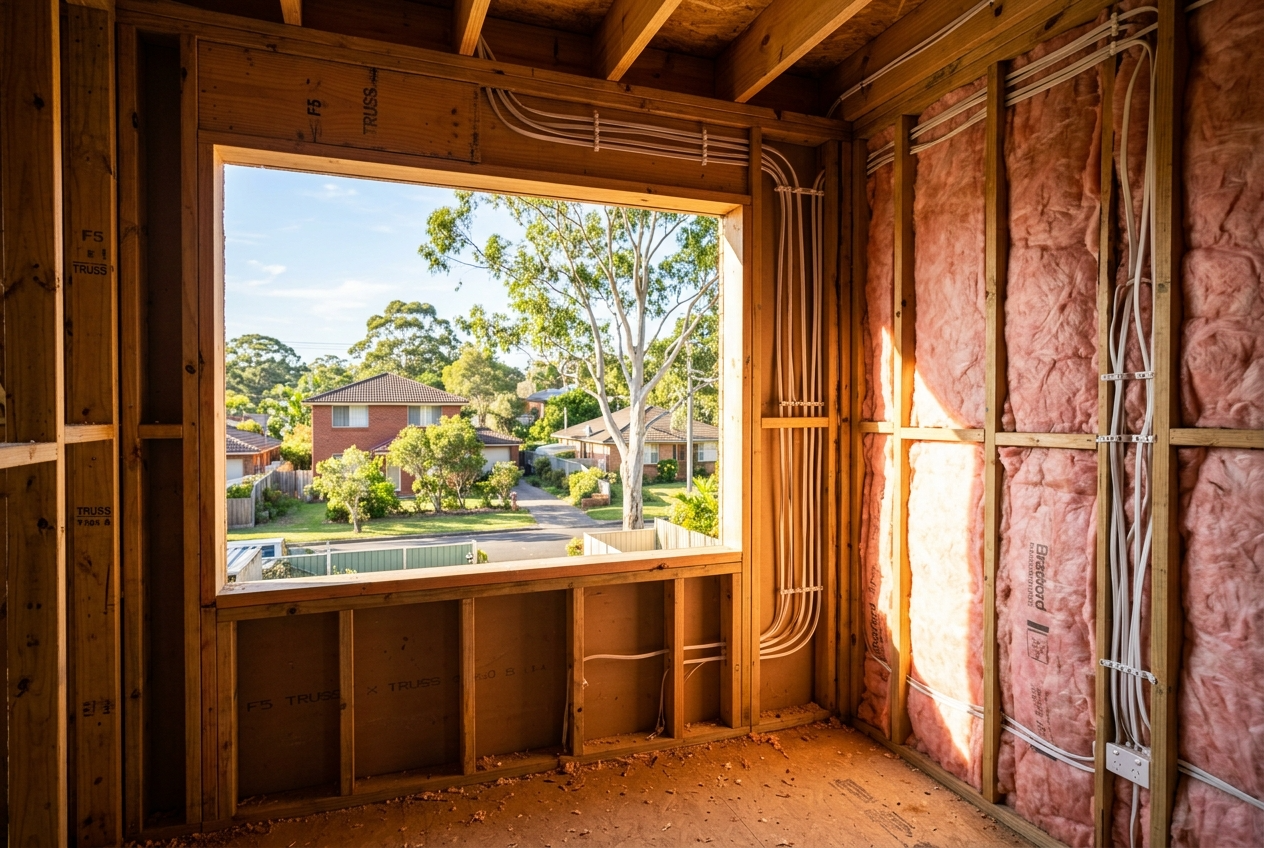
The rough-in stage happens after the timber frame is up but before the plasterboard goes on. This is when your electrician runs all the cabling throughout the house, every power point, light switch, smoke alarm, exhaust fan, data point, TV point, and appliance connection is cabled during this stage. In Australia, flat white TPS (Thermoplastic Sheathed) cable is used for residential wiring, clipped neatly to the timber studs and joists in straight, organised runs. This is also the stage where any pre-wiring for solar, EV chargers, CCTV, structured data cabling, and home automation should be done, it's far easier and cheaper to run cables when the walls are open.
The fit-off stage happens after plastering and painting. This is when the physical fixtures are installed, power points, light switches, light fittings, the switchboard, smoke alarms, exhaust fans, rangehoods, and any other electrical accessories. Final circuit connections are made, everything is tested, and a Certificate of Compliance (CCEW) is issued. This certificate is required for your final building inspection and occupancy certificate.
Planning Your Electrical Layout
One of the most valuable things you can do as a homeowner is think carefully about your electrical layout before the rough-in begins. Walk through the floor plan room by room and consider where you'll position furniture, TVs, desks, bedside tables, kitchen appliances, and outdoor entertaining areas. Think about how many power points you'll realistically need in each room, it's always cheaper to add extras during the build than to retrofit after the walls are closed.
Key areas to focus on include the kitchen (which has the highest concentration of circuits and appliances), home office or study, entertainment areas, outdoor lighting and power, and the garage or workshop.
Pre-Wiring for the Future
Building a new home is the perfect opportunity to future-proof your electrical infrastructure. Even if you're not planning to install solar, a battery, an EV charger, or a CCTV system right away, running the necessary conduit and cable during the rough-in stage costs very little compared to retrofitting it later when the walls are closed up.
Common pre-wiring inclusions that save money down the track include conduit from the roof space to the switchboard for solar, a dedicated circuit to the garage for an EV charger, CAT6 data cable to the home office and living areas, and cable runs for future CCTV cameras at key points around the exterior.
Working With Your Builder
Good coordination between your electrician and builder is essential for a smooth build. The electrical rough-in needs to happen at the right point in the construction sequence, after framing and before insulation and plaster. If the timing is off, it can delay other trades and add unnecessary cost to the project.
Compliance and Certification
All electrical work in a new home must comply with the AS/NZS 3000 Wiring Rules and meet the requirements of NSW Fair Trading. Your electrician must hold a current NSW electrical contractor licence and will issue a Certificate of Compliance for Electrical Work (CCEW) upon completion.
Frequently Asked Questions About New Home Wiring in Gosford
Should I pre-wire for solar during the build?
Absolutely. Running conduit from the roof space to the switchboard location during rough-in is inexpensive and saves significant cost if you install solar later.
How many power points should I plan for?
There's no fixed rule, but a good approach is to plan for more than you think you'll need. Kitchens, home offices, and entertainment areas typically require the most.
Do I need to be on site during the electrical work?
You don't need to be present for the entire process, but it's highly recommended to be available during the rough-in stage. This is your last chance to confirm power point and switch positions before the walls are closed up.
What's included in the Certificate of Compliance?
The CCEW covers all electrical work performed on the property. It confirms that the work has been completed by a licensed electrician and complies with Australian standards.
Talk to a Local Central Coast Electrician
Building on the Central Coast? Chat with our team to discuss your new home electrical requirements.